Video
Kontakt
Redaksia
[FULLNAME_CUT]
Hyni
Editorial
Speciale
Mendime
Intervista
Kulturë
Udhëpërshkrim
Faleminderit
Vërtetësi
Përjetësi
Sport
Shtesë
Redaksia
Video
Kontakt
[FULLNAME]
Hyni
Editorial
Speciale
Mendime
Intervista
Kulturë
Udhëpërshkrim
Faleminderit
Vërtetësi
Përjetësi
Sport
Shtesë
Nexhmije Mehmetaj: Festë e gjuhës, kulturës dhe identitetit shqiptar
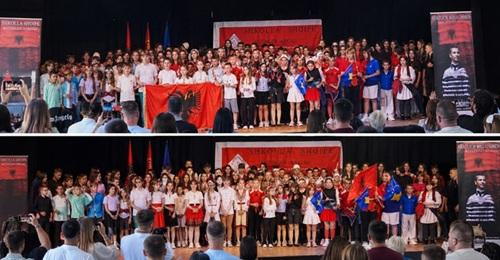
Argau, Zvicër, 6 qershor 2026 – Në një atmosferë festive, të mbushur me emocione, krenari kombëtare dhe dashuri për gjuhën shqipe, Lidhja e Arsimtarëve dhe Prindërve Shqiptarë (LAPSH) në kantonin Argau organizoi manifestimin e saj tradicional kulturor-arsimor, duke mbledhur qindra nxënës, prindër, mësues dhe mysafirë nga komuniteti shqiptar në Zvicër...
Frank Shkreli: Zgjedhjet në Kosovë – kur rinia hesht, demokracia dobësohet
Nga Prishtina në Tiranë e Shkup, mesazhi është i njëjtë: Mjaft me politikën e vjetër! Zgjedhjet e djeshme në Kosovë, me një pjesëmarrje vetëm prej rreth 37 për qind të elektoratit, nuk janë, thjesht, një ngjarje politike e kufizuar brenda kufijve të Republikës së Kosovës. Ato janë pjesë e një fenomeni më të gjerë që po shfaqet...
Sabile Basha: Roli i mërgatës shqiptare në kujtesën historike të Kosovës (9)
Në mesin e gjithë atyre fletëve të zverdhura nga koha, mes trakteve, thirrjeve dhe apelëve që mbanin ende erën e një epoke të trazuar, gjeta edhe një trakt tjetër, të mbushur me një frymë të fortë qëndrese dhe krenarie kombëtare. Ai nuk ishte thjesht një tekst politik; ishte një zë që vinte nga thellësia e mërgimit shqiptar, një...
Gjon Marku: Bik Ndoja midis traditës dhe kujtesës kulturore
Në universin e muzikës popullore shqiptare, rrallë hasen zëra që kapërcejnë kufijtë e interpretimit dhe shndërrohen në kujtesë kolektive. Bik Ndoja është një ndër ta dhe përbën një nga ato nyje ku kuptimi përqendrohet dhe rrezaton njëkohësisht, duke i dhënë shpirt këngës qytetare shkodrane dhe duke mbetur gjithmonë pranë popullit të tij. Në një lexim kritik të muzikës popullore shqiptare...
Isuf B. Bajrami: Veriu që flet me zërin e dhimbjes: një thirrje që nuk duhet të heshtë më
Motër Adelina Marku ngre alarmin për gjendjen e rëndë në zonat e thella të Shqipërisë: "Shëndeti nuk mund të jetë fat, por e drejtë". Ka momente kur fjala nuk është më thjesht fjalë. Bëhet dhimbje. Bëhet lutje. Bëhet thirrje që del nga thellësia e tokës dhe ngjitet deri te ndërgjegjja e një kombi të tërë. Në Tiranë, në një protestë kombëtare...
Albert Zholi: Aforizma për dashurinë
Dashuria është zjarr që digjet thellë në shpirt dhe magji që i jep kuptim jetës. Dashuria ka fuqinë të ndryshojë zemrën e njeriut, ta bëjë më të butë, më të fortë dhe më të ndjeshme ndaj botës. Dashuria është njëkohësisht lumturi e pafund dhe dhimbje e heshtur. Dashuria të ngre në qiell me gëzim, por të mëson edhe vuajtjen...
Aurel Dasareti: Shqipëria është në prag të vdekjes totale, e sunduar nga kanibalët!
Shqipëria është në prag të vdekjes totale, shpëtoni vendin, bashkëpunoni me vëllezërit dhe motrat tuaja që e kanë atdheun për zemër, nuk ka rëndësi se cilës fe apo parti i përkisni, rrëzoni pushtetin e udhëheqësit kanibal Edvin Kristaq Rama!...
Përparim Hysi: "Xixa" qershori
Ç'është ky fustan kaq i hapur, Ku gjiri duket "lisho"? Sado plak,mbeta gojëhapur, Se nuk mundem që të mbajë"iso" !!! - Ti gojën e shpie vesh më vesh Mu në sy ma ngul vështrimin Dhe më duket sikur më"përqesh" Pse e mundon,Përparimin?...
Fejzulla Berisha: Dy Koretë dhe Kosova – një analizë diplomatike e krahasuar e konflikteve (6)
Krahasimi ndërmjet Koreja e Veriut – Koreja e Jugut dhe Kosova përbën një rast studimor me rëndësi të veçantë në diplomacinë bashkëkohore, pasi ndriçon dy modele të ndryshme të zhvillimit historik: njërin të institucionalizimit të ndarjes përmes konfliktit të ngrirë ushtarak, dhe tjetrin të konsolidimit të shtetësisë përmes procesit të...
Sevdail Hyseni: Erdhi koha..!
“U qu’ nusja me sabah, rroki sitën me bismilah: - Mirëmëngjesi, moj pulë, ka ardh’ koha me ta ngul”! - Gjel-kokoti nga koteci, e ngriti zërin si kasneci: - Veza-Vezën nuk e pret, me çelë zogj në Parlament!...
The North That Speaks with the Voice of Pain: A Call That Must No Longer Remain Silent
Isuf B. Bajrami - Sister Adelina Marku raises alarm over the difficult conditions in Albania's remote areas: "Health cannot be a matter of fate, but a right". There are moments when words are no longer just words. They become pain. They become prayer. They become a call that rises from the depths of the earth and...
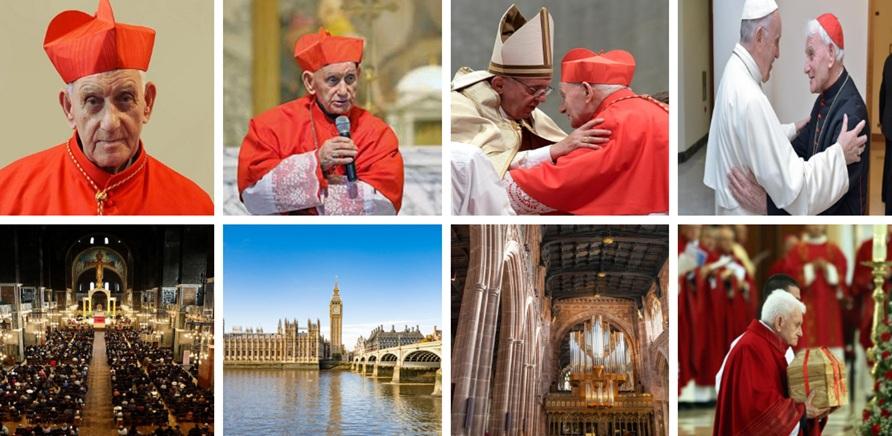
Meriman Braha: Vizitë historike në Britaninë e Madhe e kardinalit Ernest Simoni Troshani
Me datë 10 qershor mbërrin në Londër të Britanisë së Madhe Kardinali Ernest Simoni Troshani, https://collegeofcardinalsreport.com/cardinals/ernest-simoni, ai është i ftuar nga Kisha Katolike Angleze. Në fokus të vizitës së tij është komuniteti shqiptar dhe një sërë takimesh zyrtare, përfshi një takim në Parlament, (Axhenda bashkëlidhur)....
Xhelal Zejneli: Ballkani dhe kundërthëniet e fuqive të mëdha
Gadishulli i Ballkanit - Në literaturën kroate thuhet se fjala turke ballkan ka kuptimin e vargmaleve pyjore. Në lashtësi, një kodër në Evropën jugore është quajtur Haemus e që lexohet Hemus. Bullgarët e kanë quajtur Stara planina (Mali i Vjetër). Më vonë, me këtë emër është quajtur i tërë gadishulli...
Ilir Çumani: Pse Shqipëria e miliardave të pakicës kleptokrate në pushtet nuk e ndal dot uraganin e protestës popullore...?
Prej afro tri dekadash, Edi Rama ka qenë pothuajse gjithmonë në majat e pushtetit shqiptar: ministër, kryetar bashkie dhe kryeministër. Një periudhë kaq e gjatë do të duhej ta kishte transformuar Shqipërinë jo vetëm në fasadë, por më së shumti në jetën reale të qytetarëve. Do të duhej të kishte krijuar mirëqenie, siguri ekonomike...
Gjekë Gjonaj: Uniteti politik – sfida dhe shpresa e shqiptarëve në Malin e Zi
Shqiptarët në Malin e Zi po hyjnë gradualisht në një fazë të re të organizimit dhe vetëdijesimit politik, ku gjithnjë e më shumë po shfaqet nevoja për unifikim rreth interesave kombëtare, qytetare dhe zhvillimore. Bashkimi i tri partive politike shqiptare në Malin e Zi – Alternativa Shqiptare, Lidhja Demokratike Shqiptare dhe Unioni Nacional Shqiptar...
Isuf B. Bajrami: Lëvizja kombëtare shqiptare është gjallë
Sot, 148 vjet pas themelimit të Lidhjes së Prizrenit, shqiptarët nuk përballen më me të njëjtat rreziqe që kërcënonin ekzistencën e tyre kombëtare në vitin 1878. Nuk jemi përballë copëtimit të trojeve shqiptare siç ishin përballë Abdyl Frashëri dhe bashkëluftëtarët e tij. Megjithatë, kjo nuk do të thotë se sfidat e kohës sonë janë më të vogla...
Sabile Basha: Roli i mërgatës shqiptare në kujtesën historike të Kosovës ( 8 )
Në ato vite, për shqiptarët e Kosovës, Një Maji nuk ishte vetëm festë punëtorësh. Ishte ditë reflektimi për fatin e tyre si popull i shtypur dhe si klasë punëtore e shpërndarë nëpër botë. Ishte ditë kur mërgimtari e ndiente edhe më fort largësinë nga atdheu, por edhe nevojën për t’u bashkuar me të tjerët në protesta dhe demonstrata...
Ardian Ndreca: Zanafilla e poshtërsisë së Zvernecit
Poshtërsia e Zvernecit e ka zanafillën me ministren Mirela Kumbaro kur mbulonte dikasterin e Turizmit e kur 12 deputetë të majtë, kinse të frymzuem prej nji letre të disa bashkiakëve të jugut që kërkonin ndryshime në ligjin 81/2017 “Për zonat e mbrojtuna”, gatuen atë që tashma njihet si ligji 21/2024 “Për disa shtesa dhe ndryshime” të ligjit 81/2017...
Gjon Keka: Gjergj Kastrioti, i vetmi që diti të bëjë, të mbajë shtet dhe ta bëjë atë me famë
Vetëm kryeheroi, strategu dhe burrështetasi i papërsëritshëm i Arbërisë, Gjergj Kastrioti (Skënderbeu), ka arritur që me urtësi, trimëri e vizion të bëjë shtet, ta mbajë shtetin dhe të ruajë aleanca të natyrshme strategjike, sikur ishin ato me Huniadin, Alfonsin e Aragonit, me Papët e kohës etj...
Gjon Marku: Jeta, arti dhe trashëgimia e një aktori autodidakt në teatrin shqiptar
Historia e teatrit shqiptar të shekullit XX është e lidhur ngushtë me veprimtarinë e një brezi artistësh që, edhe pse nuk kishin kryer studime të mirëfillta akademike në fushën e artit dramatik, arritën të krijojnë personalitete të rëndësishme skenike dhe të vendosin themelet e institucioneve teatrore shqiptare. Ndër këta emra një vend të...
Lekë Mrijaj: Abstenimi im në votimin e sotëm në zgjedhjet parlamentare është ndërgjegje qytetare
Para disa ditësh kam dalë me një opinion timin publik, në të cilin kam shprehur qartë qëndrimin tim se, derisa në Republikën e Kosovës të mos ndryshohet ligji zgjedhor në drejtim të krijimit të zonave zgjedhore proporcionale, unë do të abstenoj nga votimi në zgjedhjet lokale e parlamentare. Ky qëndrim nuk ka qenë...
Florim Zeqa: Zgjedhjet nuk sollën ndryshim!
Rezultati zgjedhor, edhe pse nuk ndikoi në renditjen e subjekteve politike, e imponon nevojën e një bashkëpunimi mes forcave politike në Kuvend. Bojkoti qytetar ndaj zgjedhjeve të 7 qershorit duhet të jetë alarm për të gjitha partitë parlamentare...
Fejzulla Berisha: Eritrea, Etiopia dhe Kosova: tri histori të ndryshme, një parim i përbashkët (5)
Në historinë moderne të marrëdhënieve ndërkombëtare ekzistojnë raste që, megjithëse ndodhen në kontinente të ndryshme dhe në rrethana krejt të ndryshme historike, paraqesin ngjashmëri të rëndësishme në aspektin e përpjekjeve të popujve për liri, pavarësi dhe shtetndërtim. Ndër këto raste veçohen Eritrea, Etiopia dhe Kosova...
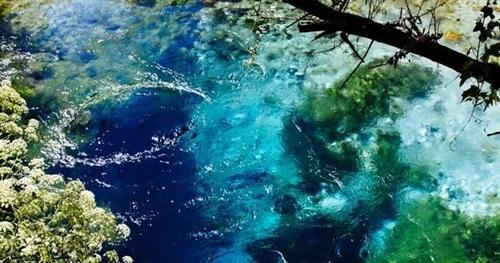
Albert Zholi: ''Syri i Kaltër'' dhe dashuria me vajzën me sy të kaltër
Në jug të Shqipërisë, pranë Syrit të Kaltër, natyra ka krijuar një nga mrekullitë më mahnitëse: një burim të thellë, me ujë të kristaltë dhe një kaltërsi që të mbërthen që në shikimin e parë. Vizitorë nga e gjithë bota ndalen këtu për të soditur këtë fenomen të rrallë, ku uji duket sikur buron nga vetë zemra e tokës. Por përtej bukurisë natyrore, ky vend mbart edhe legjenda të vjetra që i japin një...
Gjon Keka: Urime AAK, i vetmi që në këtë kohë e meriton pozitën e presidentit është Ramush Haradinaj
Së pari urime për AAK në krye me Ardian Gjinin për fitoren dhe ngritjen për çdo ditë të AAK-s dhe shumë suksese. AAK do të jetë partia premtuese e të ardhmes në Republikën e Kosovës. Së dyti urime fitorja e fituesit të zgjedhjeve(LVV) suksese në vijim, dhe...
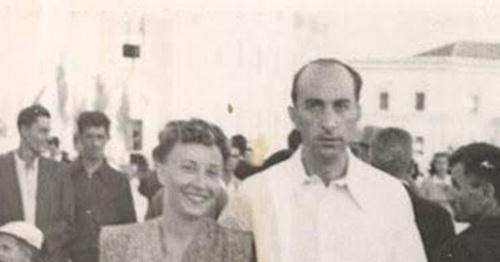
Kastriot Dervishi: Zorika Mano dhe Vasil Mano, të ekzekutuar padrejtësisht në vitin 1946
Zorika Mano dhe Vasil Mano, në sheshin "Skënderbej", Tiranë, foto rreth vitit 1944. Të dy u ekzekutuan pa faj në vitin 1946...
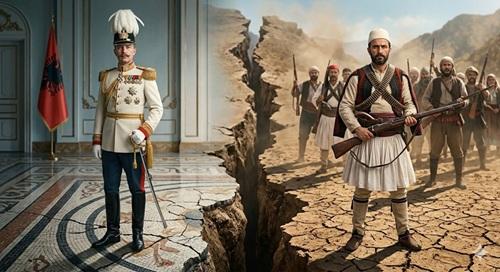
Albert Vataj: Princ Vidi përballë Haxhi Qamilit, përplasja e dy botëve që vuri në sprovë historike shtetin shqiptar
Përplasja ndërmjet Princ Vilhelm Vidi dhe Haxhi Qamili nuk mund të reduktohet në një episod të zakonshëm të historisë politike shqiptare. Ajo përfaqëson një nga ato momente rrallëherë të përsëritshme në historinë e kombeve, kur dy vizione të papajtueshme të botës përplasen me njëri-tjetrin dhe vendosin për dekada të tëra drejtimin e zhvillimit historik...
Eduard M. Dilo: Bardhi ynë i shenjtë – Një jetë virtyti, dashurie dhe dinjiteti
Ikën gjithkush nga kjo jetë kalimtare pa marrë me vete asgjë. Pas lë kujtime, dashuri, mall, lot dhe dhimbje në zemrat e atyre që e deshën dhe që i deshi. Sot, në 40-ditshin e ndarjes nga jeta, kujtojmë me dhimbje, dashuri, respekt, mall dhe mirënjohje vëllanë tonë të shenjtë Bardhyl, një njeri me virtyte dhe cilësi të larta njerëzore...
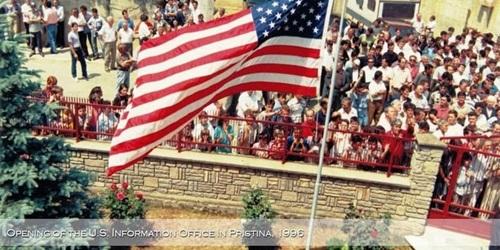
Blerim Latifi: 30 vjet nga hapja e Zyrës Informative të SHBA-së në Kosovë dhe ngritja e flamurit amerikan në Prishtinë
Qenkan bërë plot 30 vite nga ajo ditë kur në një shtëpi në Prishtinë u ngrit flamuri amerikan, me ç’rast u hap Zyra Informative e SHBA-së në Kosovë. Njeriu duhet ta ketë jetuar atë kohë për ta ndjerë peshën e plotë të atij akti simbolik. Viti 1996 ishte ndër vitet më të zymta në Kosovën e sunduar nga regjimi fashist i Milosheviqit...
Bashkim Saliasi: Cilët janë faktorët që zgjasin jetën e njeriut?!
Ajo, që është për t’u theksuar, se cilët janë faktorët që zgjasin jetën dhe rrisin jetëgjatësinë, është të kuptuarit e rëndësisë që luajnë faktorët e mjedisit në jetën e njeriut. Që të jetosh gjatë, në thelb do të thotë, që të dish të parashikosh e, të administrosh sa më mirë të ardhmen tënde dhe, kjo, në një masë të konsiderueshme...
Isuf B. Bajrami: Çështja e pazgjidhur e Çamërisë kërkon zgjidhje
Vizita e ministrit të Jashtëm të Greqisë, Nikos Dendias, në Tiranë dhe takimi i tij me kryeministrin Edi Rama rikthyen në qendër të vëmendjes një nga çështjet më të ndërlikuara dhe më të diskutueshme të marrëdhënieve shqiptaro–greke: Çamërinë. Në një periudhë kur të dy shtetet deklarojnë orientim të përbashkët euroatlantik...
Sabile Basha: Roli i mërgatës shqiptare në kujtesën historike të Kosovës (7)
Trakti fillonte me një nga thirrjet më të njohura të lëvizjes punëtore ndërkombëtare, një fjali që për dekada kishte jehuar nëpër protesta, revolucione dhe tubime politike anembanë botës: “Proletarë të të gjitha vendeve, bashkohuni!” Që në këtë hyrje ndihej fryma ideologjike e kohës, por njëkohësisht edhe përpjekja...
Themi J. Tushe: 'Komiteti i Fshehtë i Fierit', hapja e shkollave shqipe dhe mbrojtja me çeta të armatosura
Hapja e disa shkollave fetare në gjuhën greke, qysh në kohët më të herëshme pranë kishave e manastireve të Myzeqesë si në Apolloni, Ardenicë, Kolkondas, Shën Pjetër e tjerë, ndërtimi i katedrales së bukur të Shën Gjergjit në qytetin e Fierit më 1782, përfundimi qendrës së madhe tregëtare me rreth 100 e ca dyqane përball saj...
Ndue Dedaj: Lugina e Fanit, më e bukura dhe më e shkatërruara në Shqipëri
Që lugina e Fanit ishte ndër më të bukurat e botës, e pati shkruar më dorën e tij françeskani i shquar austriak, shkrimtari dhe piktori At Fabian Barkata, njëqind e tridhjetë vjet më parë, kur shërbente në Rubik si misionar feje. Se si është sot kjo luginë, mjafton t’iu themi atyre që nuk e kanë parë, se në çdo kilometër të lumit nga Miloti në Rubik...
Anton Marku: Dita e parë pas zgjedhjeve
Si zakonisht edhe kësaj radhe kryetarët e grupimeve minore politike, të cilët sillen si pronarë të tyre, lidhën koalicione pa përfillur vullnetin e anëtarësisë duke shkelur kështu me të dy këmbët mbi të gjitha parimet dhe aktet themeluese. Sa herë që ata godasin rrënjën thahet një degë...
1
2
3
4
5
Në Fokus
Gëzim Marku: Intervistë ekskluzive me mësuesin, poetin, studiuesin dhe publicistin Kujtim Mateli
Gani Mehmetaj: Bombardimet e NATO-s dhe shpërngulja biblike
Eduard A. Skufi: Rrezatimi i madhështisë të një legjende
Gëzim Marku: Intervistë ekskluzive me mësuesin, poetin, studiuesin dhe publicistin Kujtim Mateli (2)
Gani Pllana: Prof. Dr. Jusuf Gacaferri-Pejani, Prijetar në Studime dhe Elektroekonomi në Kosovë
Gani Pllana: Prof. Dr. Zamir Dika - Dibrani, i cili shkëlqeu si profesor, dekan dhe rektor
At a time when Europe seeks unity and stability, Serbia deepens strategic ties with Russia
Gëzim Marku: Intervistë ekskluzive me mësuesin, poetin, studiuesin dhe publicistin Kujtim Mateli (3)
Gjekë Gjonaj: Burrë i kuvendeve, pajtues gjaqesh, lahutar dhe vajtor i traditës malësore
Prend Buzhala: Vepër sintetike e mendimit shqiptar
Zemra Shqiptare